
The Experience
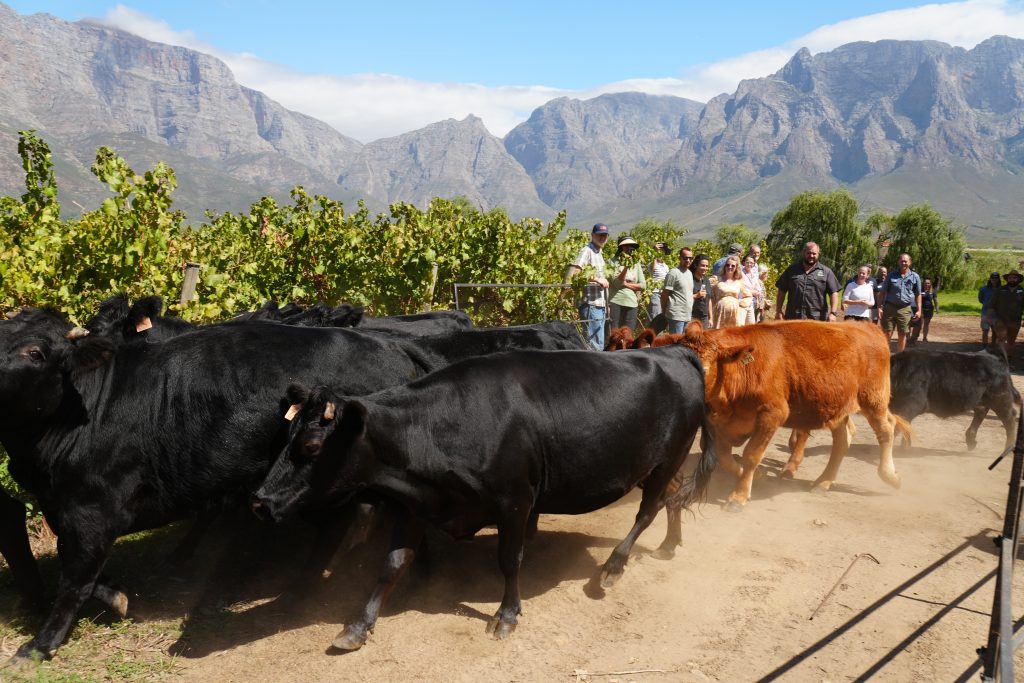
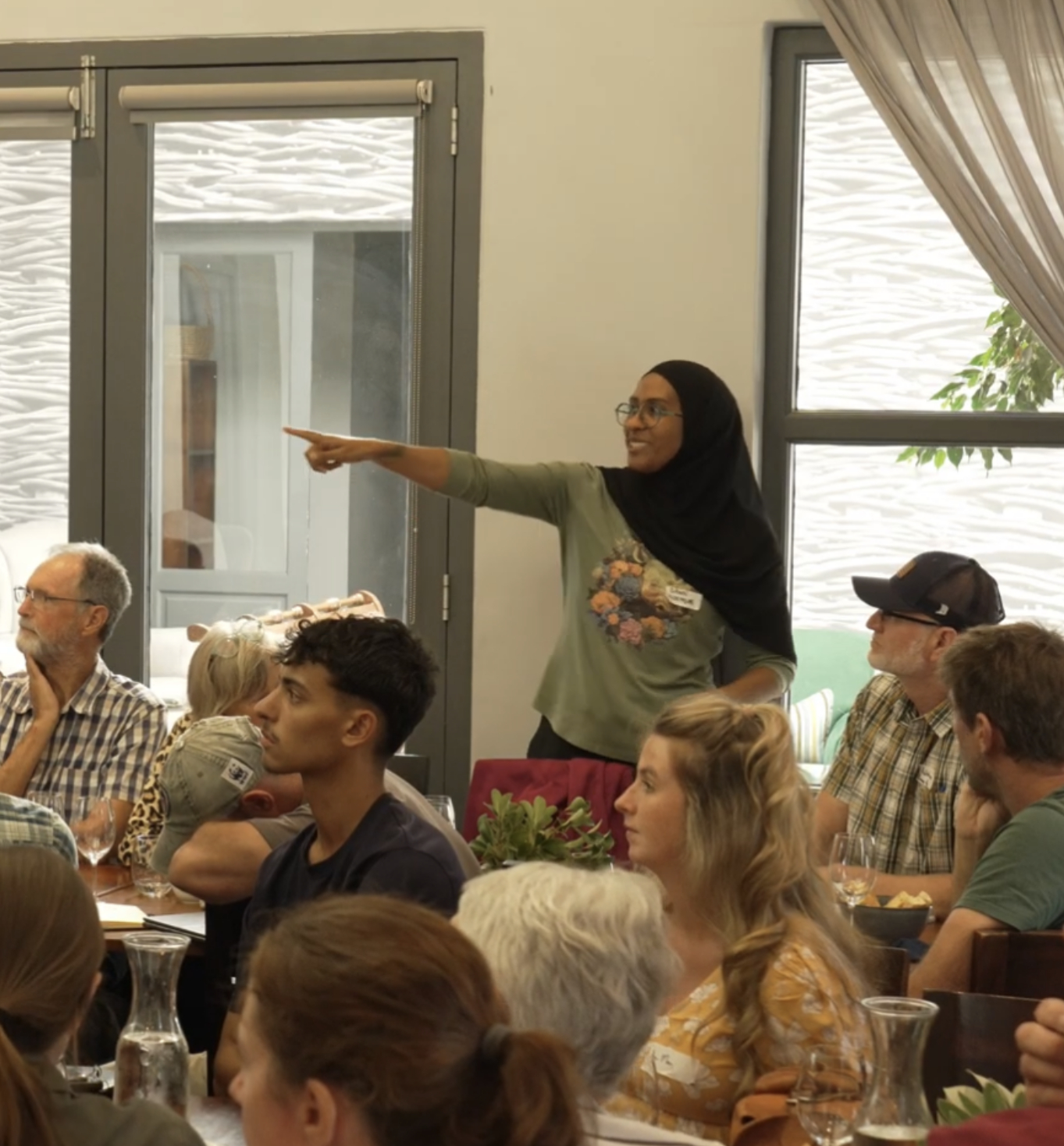
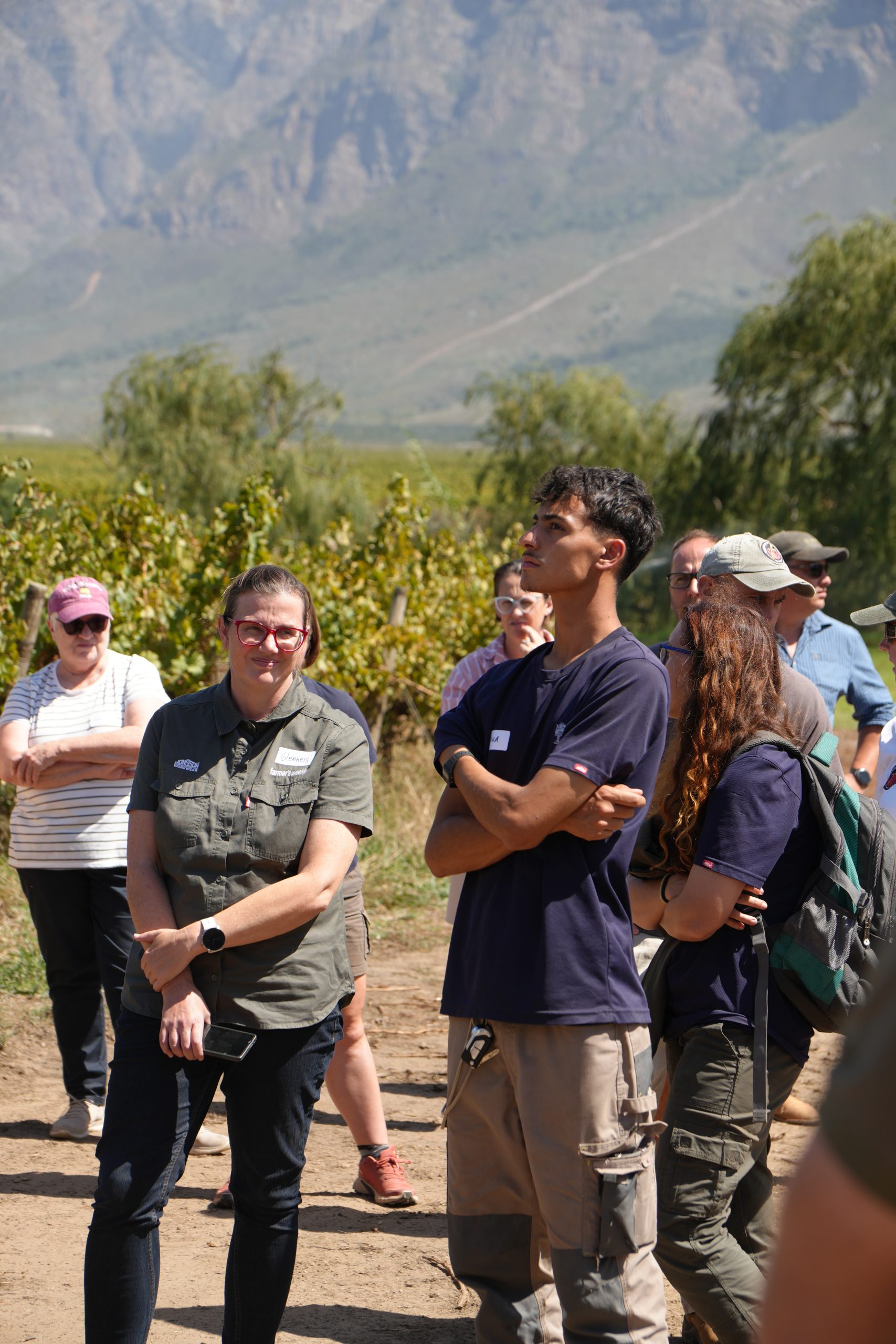
In March and April of 2026, over 80 farmers gathered under the generous hospitality of Opstal Estate and Restaurant in the Slanghoek Valley, where we collectively explored practical systems-thinking in regenerative farming.
The discussion was guided by insights from friends and colleagues as diverse as previous WWF ecologists, to beekeepers, small business incubators, cattle breeders, cover crop experts, soil & crop quality scientists, and – most importantly – the farmers themselves.
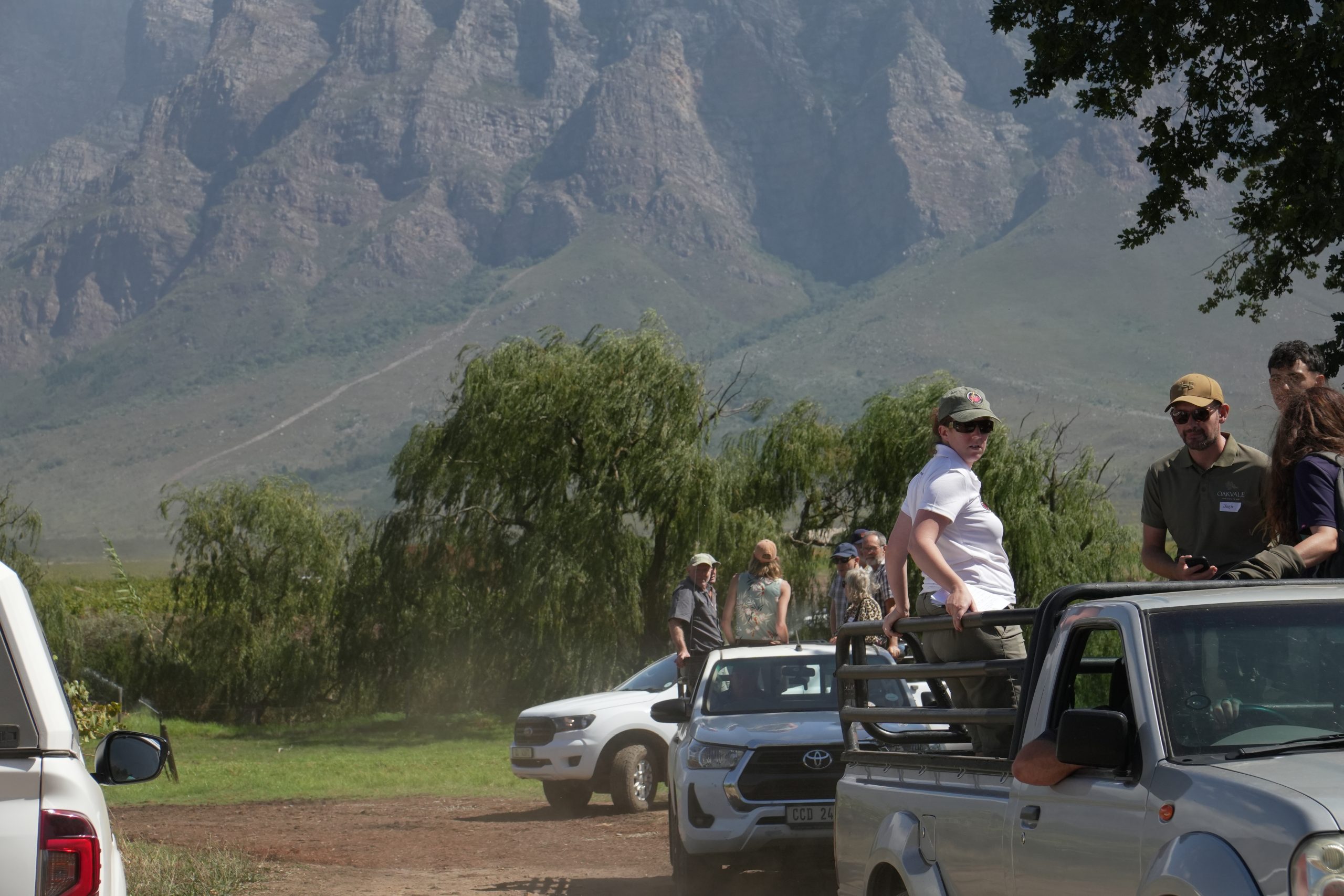
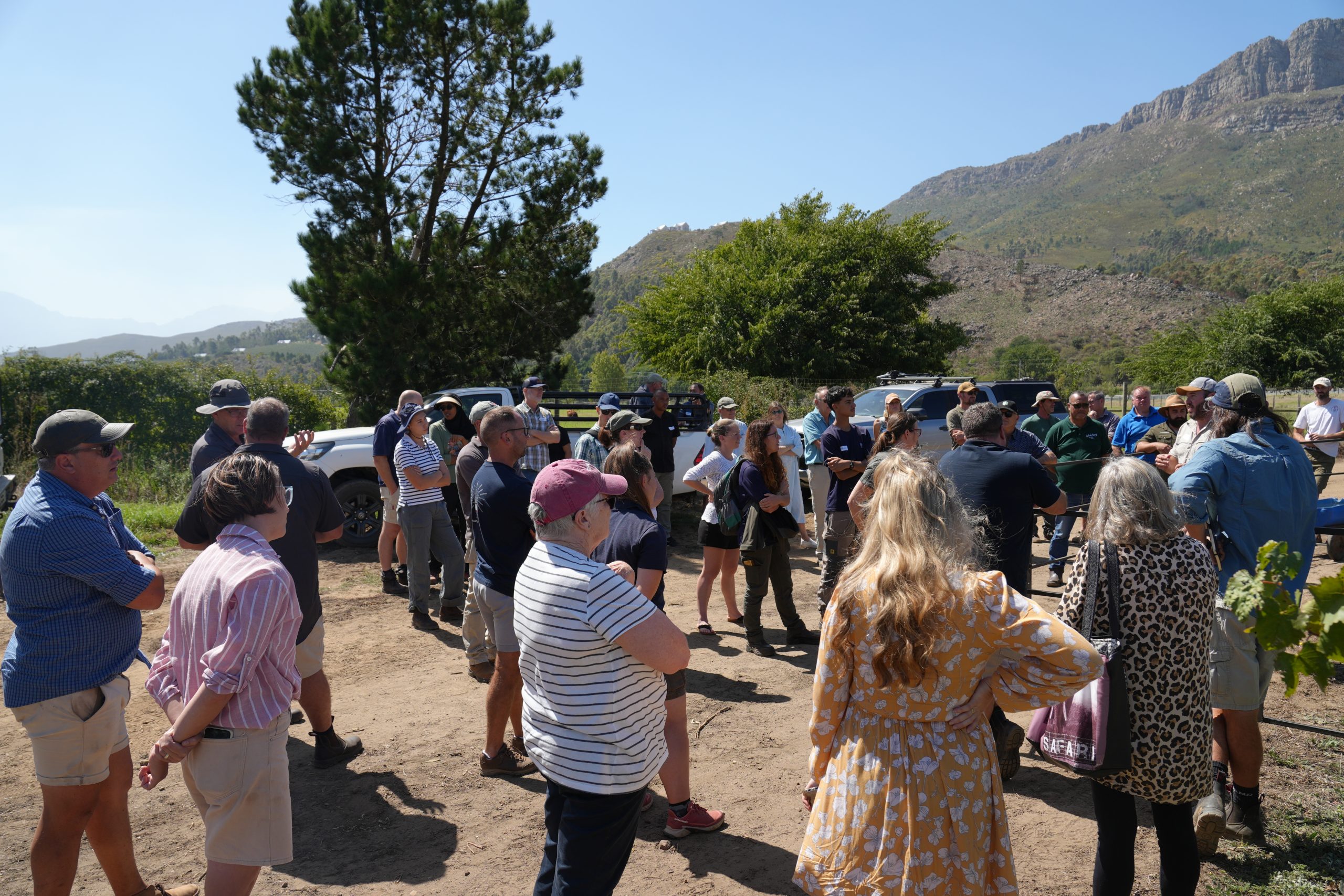
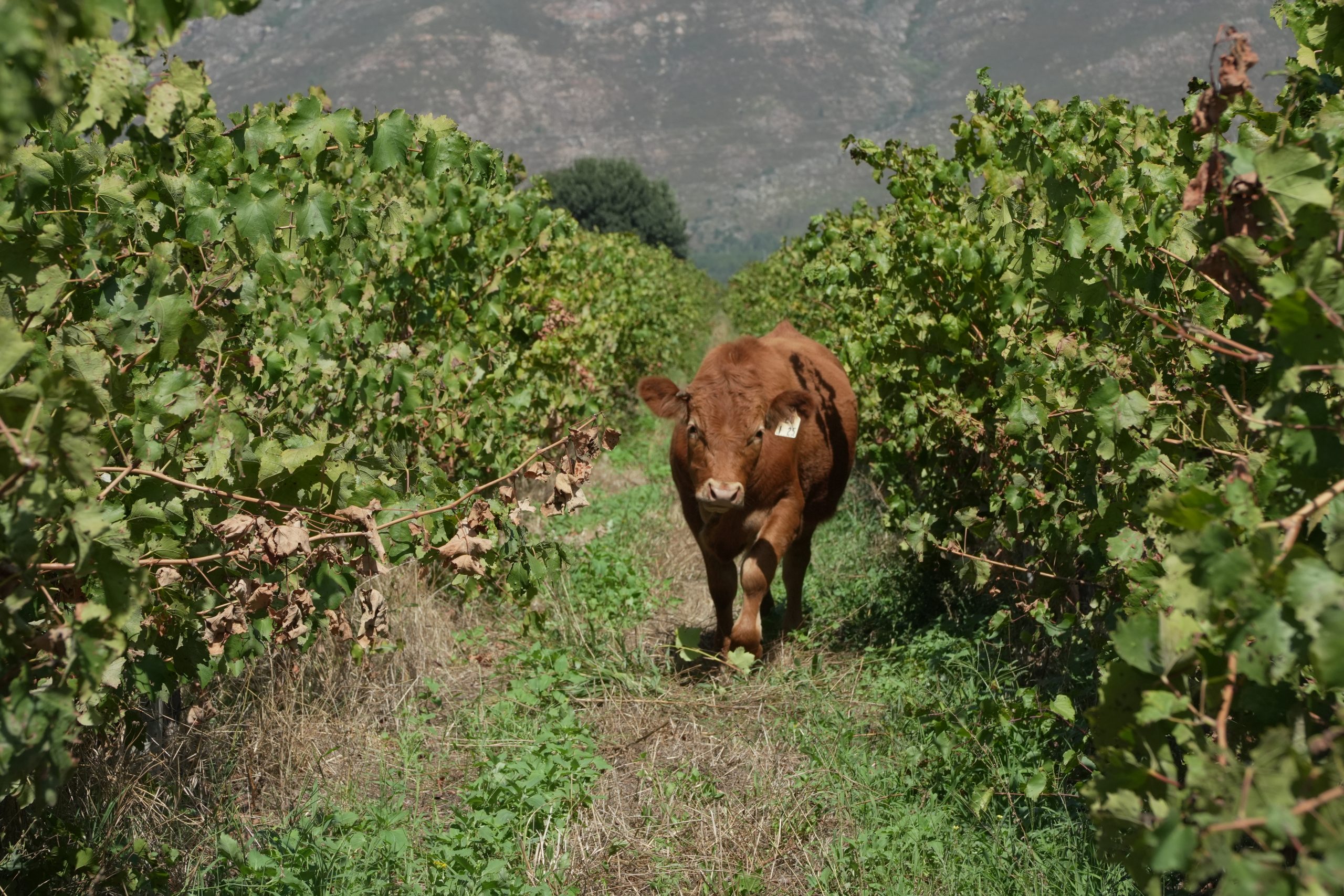
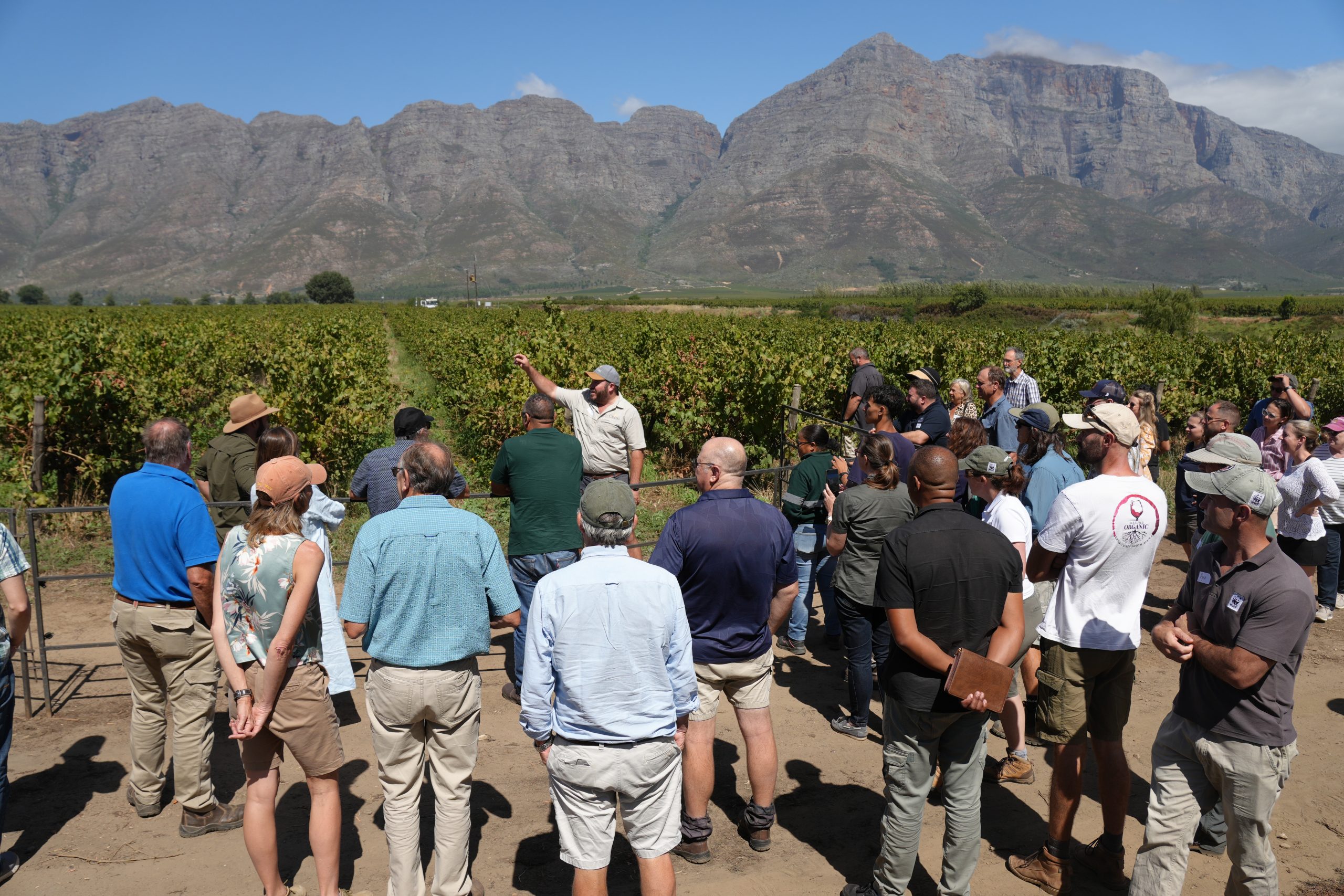
We explored the integration of each of these into farming activities, from a practical perspective: how to consider fodder flow, animal breeding, cover crop mixes, hive establishment and pollen sources, as well as indigenous species integration – where to source, how to select, and playing with tools like Cape Farm Mapper to quickly and easily map the area.
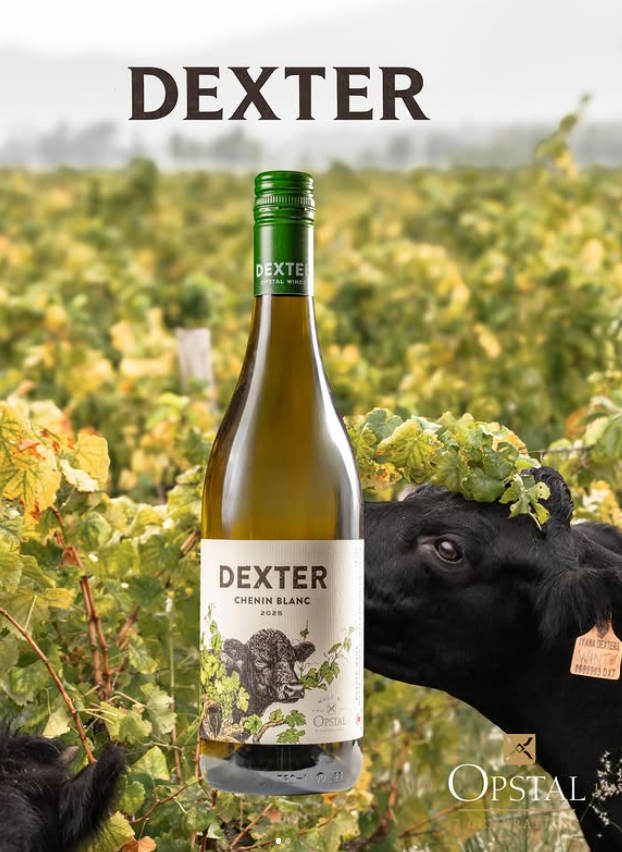
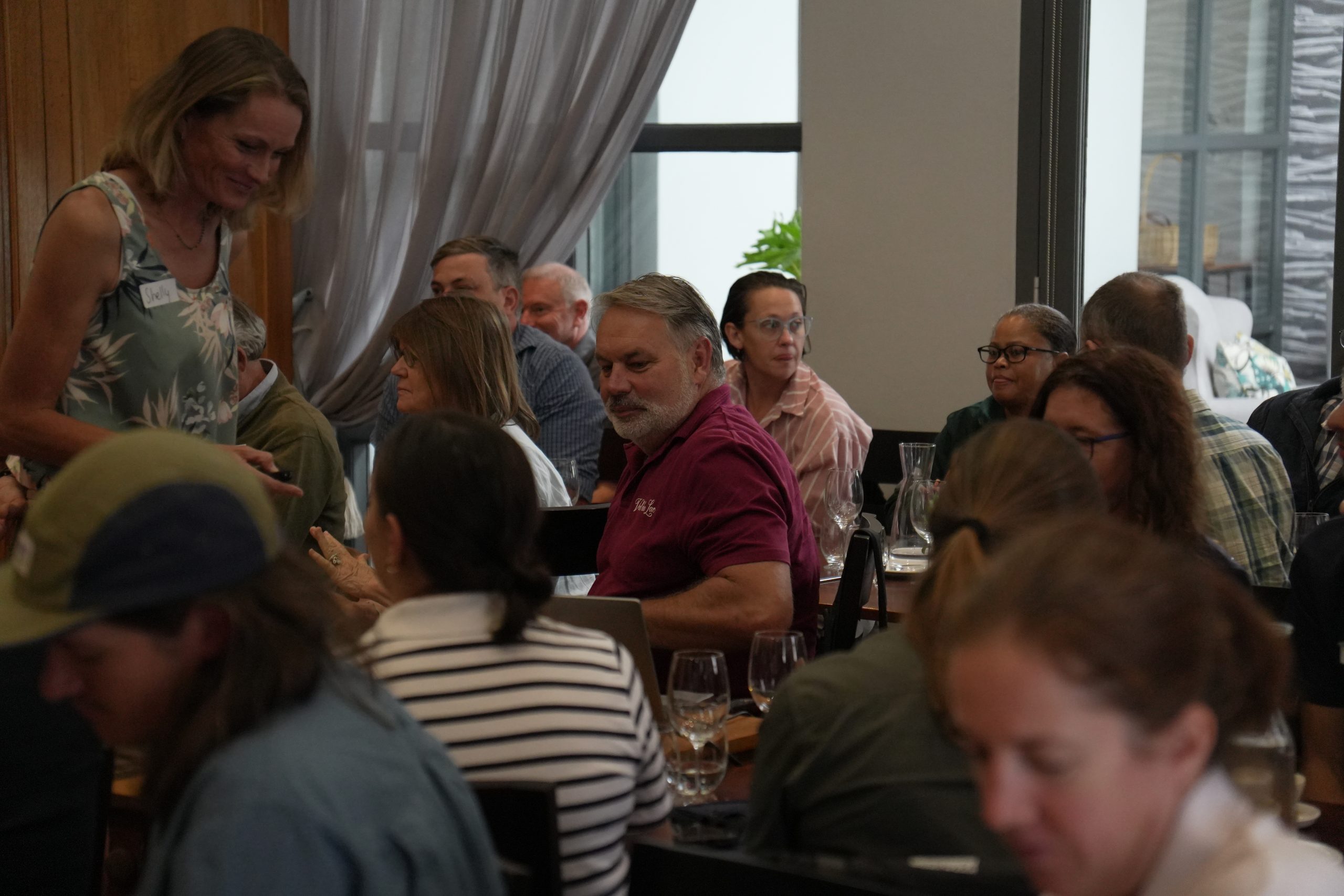
Our connections to the land and to each other were deepened during reflections over burgers and the new Dexter label from Opstal Wine Estate.
If you’d like to explore some of the practicalities shared during this experience, visit our Return on Ecology YouTube channel.
For the Farmer
You are Welcome At the Table
If you are a local regenerative farmer needing to bounce your ideas about systems-thinking and ecological design, or desiring to connect to other regenerative farmers, feel free to reach out and pull up a chair at our table.

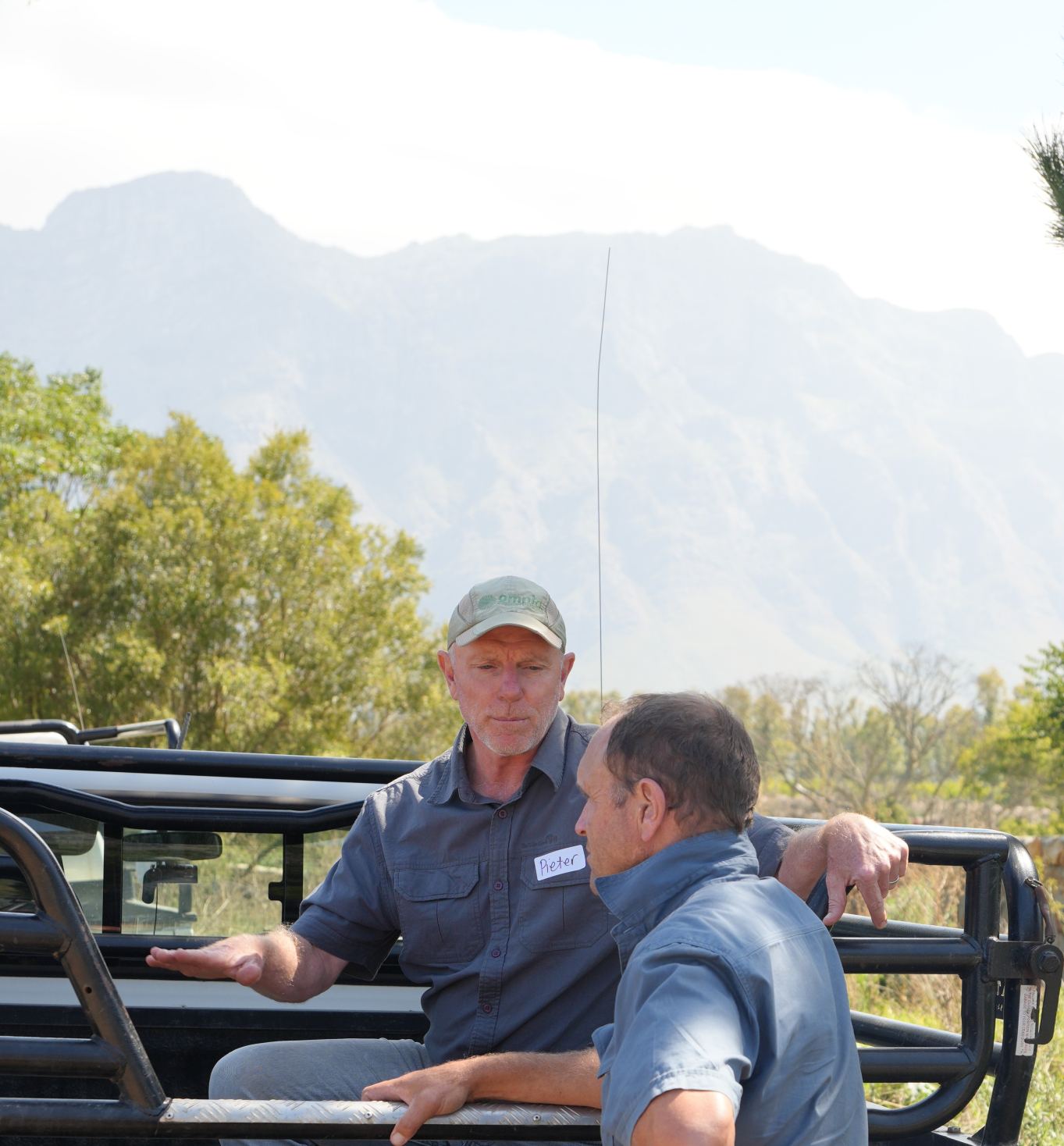
For simply and easily interpreting soil and leaf quality data, call Pieter Raath (Director of LabServe; Soil, Plant and Water Quality Laboratory).
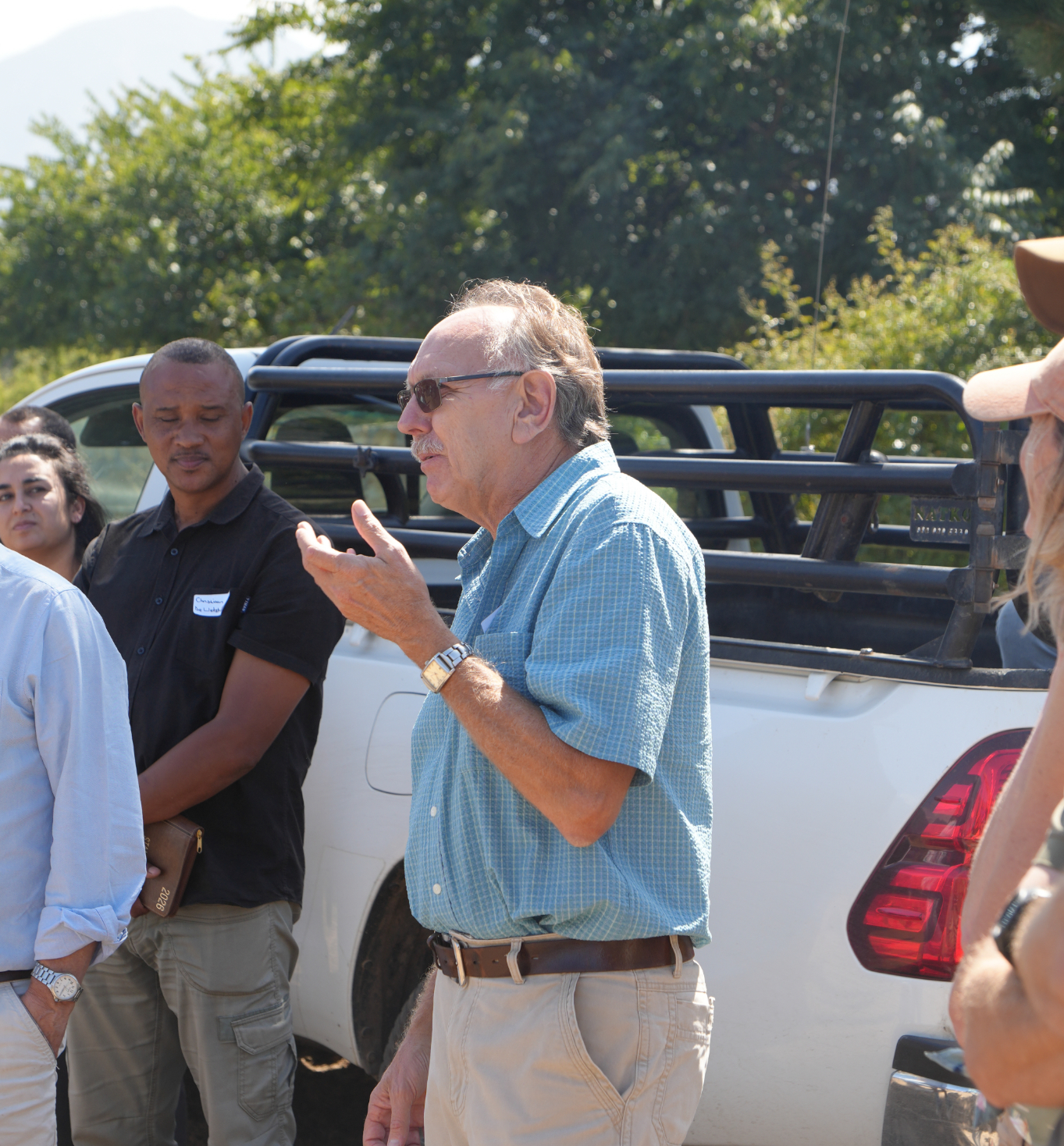
For soil nutrition, soil profiles and regenerative systems-design reach out to Bennie Diedericks (Soilution).
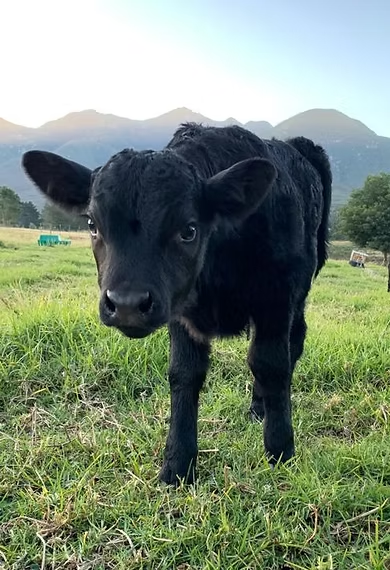
For Dexter expertise, contact Willie du Plessis of Dexter SA.
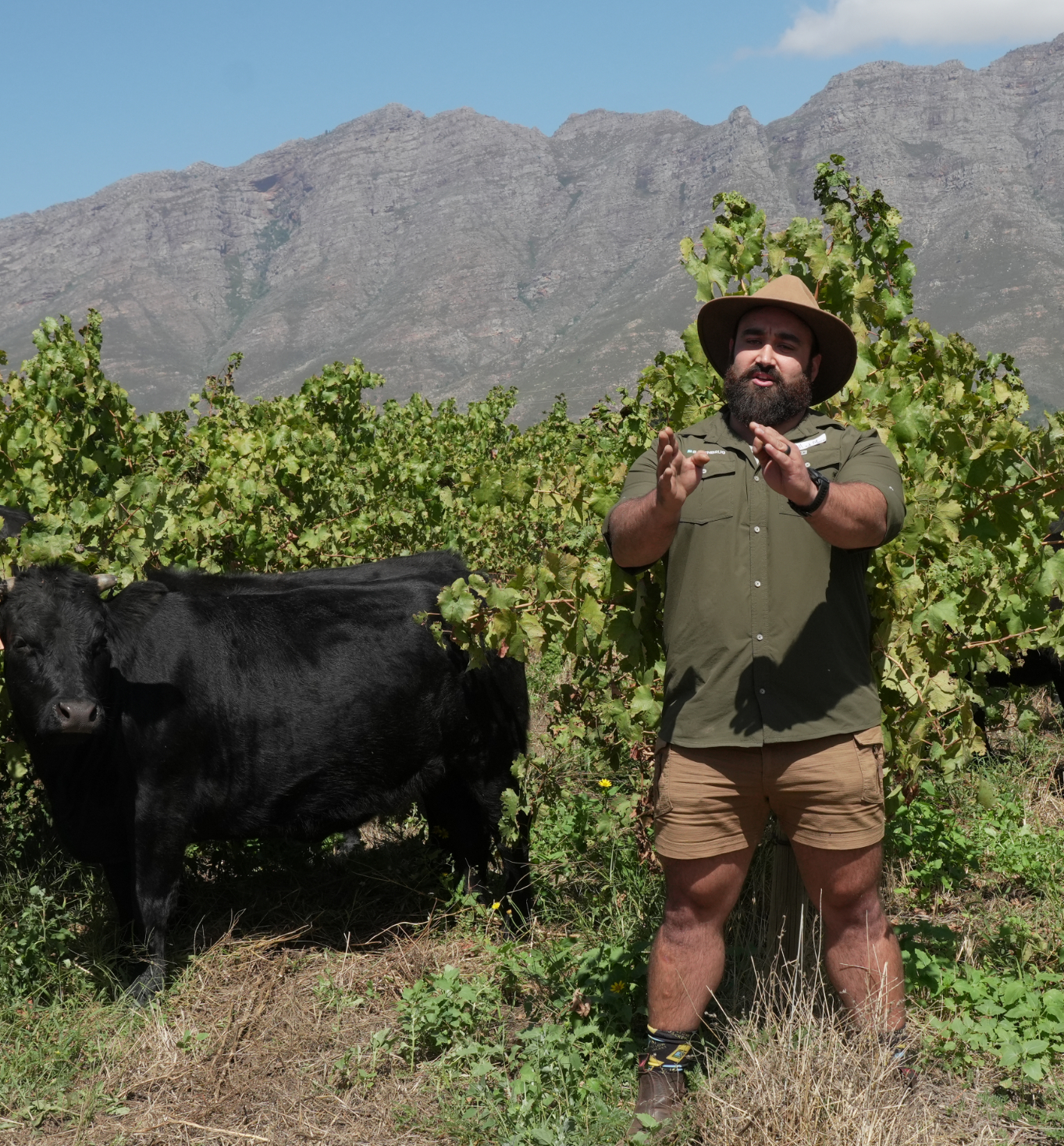
For cover crop thoughts, including multi-species and fodder flow considerations, speak to Neill van der Merwe from Barenbrug.
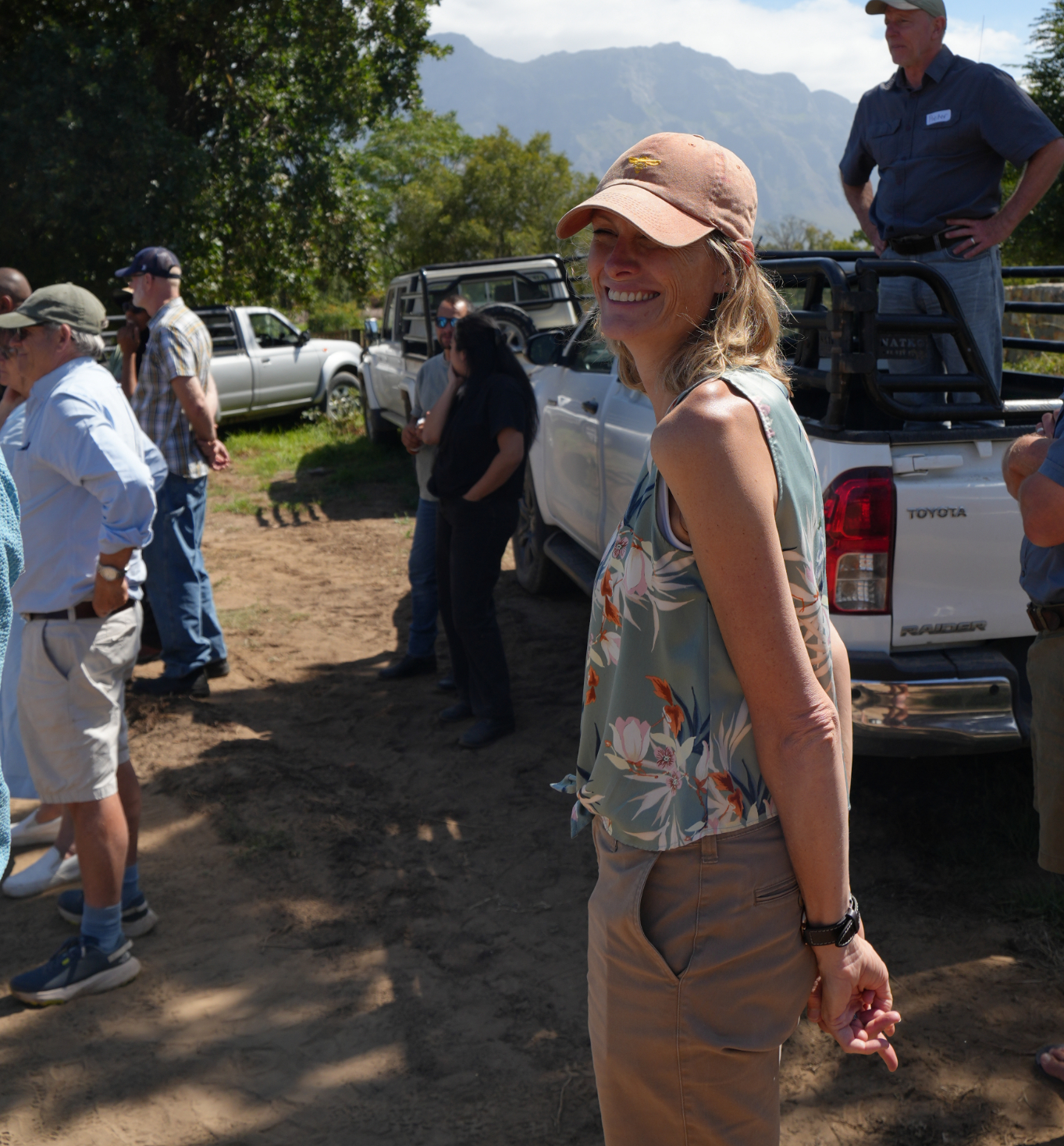
For conservation and biodiversity design: establishing biocorridors, restoring and stabilising riverbeds & wetlands, and planting indigenous species we had Shelly Fuller (Biodiversity Consultant).
For establishing bee hives and developing community-level commercial projects, contact Dawn Noemdoe at Honey@DawnSA, or Markus Goldsworthy at The Golden Bee SA.
For the Consumer
An Invitation to Your Own Exploration of Local Regenerative Agriculture
If you’ve enjoyed these reflections and the work of these farmers, we invite you to notice the farms in your area, or as you travel our landscape. The local Afrikaans farmers often speak of an affectionate competition with their fathers and mentors, who laugh at their trials with ‘vuilboer’ or ‘dirty farming’. This is opposed to the more widely established ‘skoonboer’ or conventional farming: clean rows, bare soil, higher input (fertilizer, pesticides). The old wisdom is true: that ecosystems-thinking can be challenging, if not carefully managed. But many local farmers, who were at Opstal, have managed it well.
Notice farms that look ‘dirty’ or messy, and pay attention to the colour of the soil, the diversity of the plant species, the health of the insects.
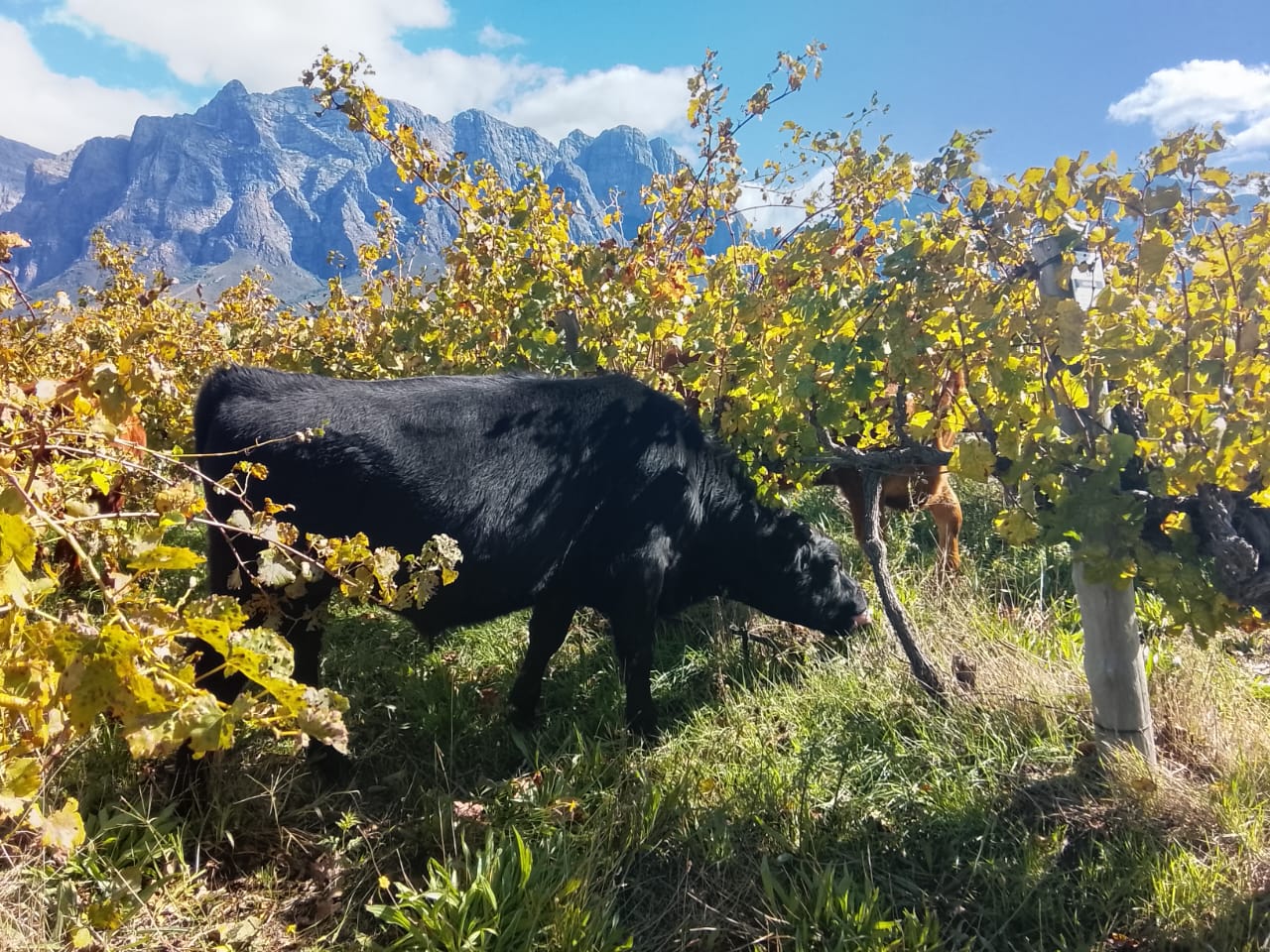
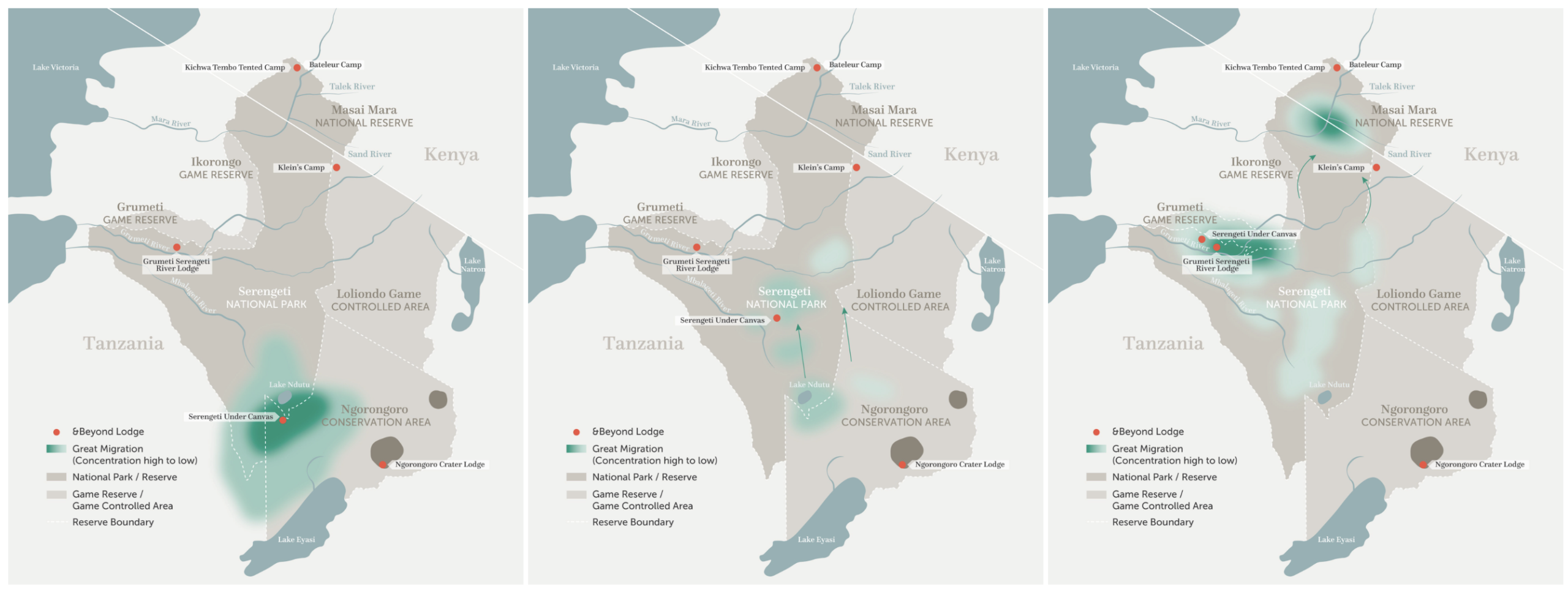
Notice the cover crops and notice the biomass (rich earth) under the green plants. Explore if there are animals moving through the ecosystem — bio-mimicking the herds of the Serengeti and even our older fynbos and Renosterveld ecosystems — as they move through the agriculture lands, fertilizing the soil.
Are there any birds in their wake? According to Vergenoegd Löw many farmers report the Blue Crane moving over the fence lines into their farmlands after they re-introduce animals into the system.

If you see some regenerative farming in your area, perhaps turn in for a glass of wine or search for their names on the shelf, and begin your own experiment: exploring the flavours of regenerative versus conventional agriculture. Is the health of the soil, which these farmers are building, noticeable on your palette? Can you taste the flavours of the ecosystem?
Remember a fundamental of the scientific method: the variation and complexity in these systems are the reason science has not easily been able to capture the benefits of regenerative farming.
But, the fascinating new horizon of scientific interpretation and impact is your own agency: using your own experience to navigate complex systems and test ideas. You need to try many wines to test this hypothesis and capture the variation – you can’t just try one!
We encourage you to notice the farms in your own areas and explore those. But, if you’d like to try some local wines, visit Opstal, Waterford Estate, Hartenberg Estate, Vergenoegd Löw, and Rustenberg Estate to experience long-established ecologically designed agricultural systems.