THE ART & SOUND OF RoE: Pieter Raath

THE ART & SOUND OF RoE: Pieter Raath

Citrus Production; Soil, Water & Plant Quality Testing
(30 years experience)

With long experience in crop production, as well as directing a soil, water and plant quality testing laboratory, Pieter is the voice of reason: challenging entrenched views in data. He is as cautious to query out-dated assumptions about data interpretation as he is to query over-simplified ecological trends.

A recent article — ‘How Pop Ecology Misleads Agriculture‘ (linked here) — by Andrew McGuire from the Center for Sustaining Agriculture and Natural Resources emphasises the risk of over-simplifying the process of integrating biodiversity into agricultural production systems. 

   ‘Pop ecology assumes a form of crop production that “works like nature” is not only possible but achievable, and that it offers a simple prescription to fix farming. Breaking free from this unfounded eco-optimism requires three fundamental shifts in how we think about farming. Call it the unpopular ecology of reality—unpopular because it trades comforting narratives for harder truths:

  (1) we often don’t have an accurate view of nature itself, (2) unmanaged nature cannot feed us, and (3) the best guard against pop ecology is one truth: in agriculture, there are no solutions, only tradeoffs.

   ‘There are always tradeoffs: between crop yields and nutrient use efficiency; between concentrated, highly productive fields and pest pressure; between planting and harvest efficiency and the benefits of crop diversity. These tradeoffs involve markets, regulations, soil types, crop requirements, equipment costs, and countless other factors. Figuring out the best management while balancing these constantly shifting variables means making choices—some that won’t favor environmental ideals.

  Wise farmers and consultants embrace this unpopular ecology of reality—seeing crop production clearly as a distinct system requiring informed, active management based on what actually works in their fields, not what sounds appealing in theory. Reality is messier and less generalizable than pop ecology promises, but it’s the reality we must work with.’

Pieter reminds us that Return on Ecology is not promoting ecological ideals, but grappling with the messy reality of the interface between ecology and development, in a feedback loop of trial and error with those who care.

This Calvin & Hobbs cartoon is also close to his heart, reminding us of the other side of the coin: how quickly our rigorous science can make simple work too complicated.


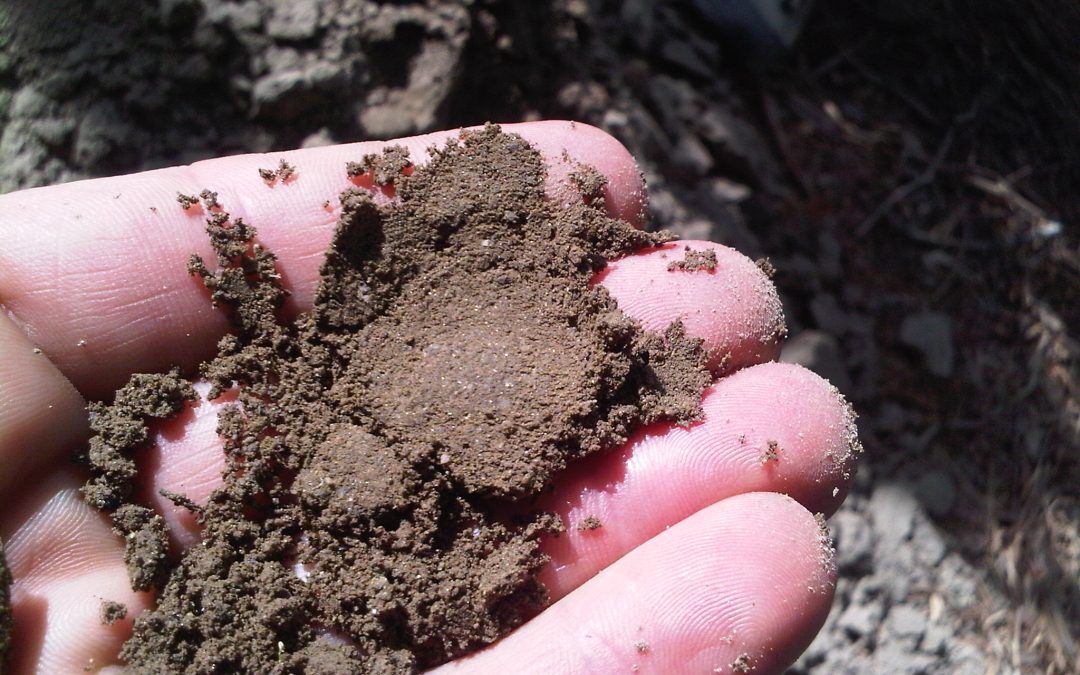
In an article on soil biology in the 90’s, Pieter wrote, ‘In circa 1500 Leonardo da Vinci said: ”We know more about the movement of celestial bodies than about the soil underfoot‘. Pieter reminds us to hold onto both sides of the eternal tension of data interpretation in soil and ecological management: gritty, rigorous realism along with curiosity and humility. 

Pair this with Marvin Gaye’s ‘Mercy Mercy Me‘ (The Ecology)

https://www.youtube.com/watch?v=_f5xq6vCQS8

//
Chat to us on Whatsapp
👋 Hi, how can I help?